Buying or maintaining a home involves many important decisions, and the roof is one of the most critical parts of the property. A roof protects the entire structure from rain, wind, heat, and severe weather conditions. However, many roofing problems remain unnoticed until they cause visible damage or expensive repairs.
At Kingdom Inspections LLC, we understand that buying a home is one of the biggest decisions a person makes. A detailed roof inspection helps homeowners and buyers understand the actual condition of a property and identify potential problems before they become expensive repairs.
For home buyers, a roof inspection before buying a house can provide valuable information about the property’s condition and help avoid unexpected expenses after purchase. For homeowners, regular inspections can extend roof life and protect the overall value of the property.
This roof inspection guide explains what inspectors look for, common roof problems, important inspection tips, and why a professional evaluation matters.
What Is a Roof Inspection?
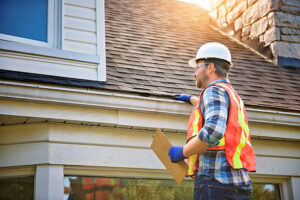
A roof inspection is a detailed evaluation of a home’s roofing system to identify damage, safety concerns, and areas that may require maintenance or repair.
Many homeowners assume that a roof inspection only involves looking at shingles from the outside. However, a complete inspection covers multiple parts of the roofing system, including the roof surface, drainage system, flashing, attic condition, and signs of moisture damage.
A trained inspector looks beyond visible problems. Small cracks, damaged seals, or early signs of water intrusion may not seem serious at first, but they can develop into expensive repairs if ignored.
For buyers, this inspection provides a clearer picture of the property’s condition before making a purchase decision. For sellers, it can help identify problems early and prevent surprises during negotiations.
Why Is a Roof Inspection Important?
The roof is one of the most expensive systems in a home to repair or replace. Unlike some interior problems that are easy to notice, roofing issues often develop slowly and remain hidden.
A professional inspection can help identify problems before they affect other parts of the home, such as walls, ceilings, insulation, or electrical systems.
For example, a small roof leak may appear harmless, but continuous moisture exposure can lead to:
- Interior water damage
- Mold growth
- Damaged insulation
- Structural concerns
In areas like Texas, roofs face additional challenges due to extreme heat, storms, strong winds, and hail. These weather conditions can reduce roof lifespan and create damage that may not always be visible from the ground.
What Does a Roof Inspection Include?
A complete roof inspection evaluates different components that work together to protect the home.
Roof Surface and Roofing Materials
The first step of a roof inspection involves examining the visible roofing materials. Inspectors check whether the roof is properly protecting the home and whether any areas show signs of deterioration.
Common issues include:
- Missing or damaged shingles
- Cracked roofing materials
- Curling or worn shingles
- Loose sections
- Excessive aging
Damaged roofing materials can allow water to enter the home and create problems beneath the surface. Early identification allows homeowners to address minor repairs before they become larger issues.
Flashing and Roof Penetrations
Flashing plays an important role in preventing water from entering areas where the roof connects with other structures.
Inspectors pay close attention to areas around:
- Chimneys
- Skylights
- Roof vents
- Pipes
- Edges and corners
Over time, flashing can become loose, damaged, or improperly sealed. When this happens, water can enter through small openings and cause hidden moisture problems.
A detailed inspection helps determine whether these areas are still providing proper protection.
Gutters and Roof Drainage
A healthy roof depends on an effective drainage system. Gutters and downspouts help move rainwater away from the home and prevent water from collecting around the roof edges.
During an inspection, professionals evaluate whether:
- Gutters are damaged or blocked
- Water flows correctly
- Drainage systems are working properly
Poor drainage can contribute to roof leaks, foundation problems, and water damage around the property.
Attic Condition and Ventilation
Many roofing problems become easier to identify from inside the home. The attic provides important clues about the condition of the roof.
Inspectors look for signs such as:
- Water stains
- Moisture buildup
- Mold growth
- Poor ventilation
- Damaged insulation
Proper attic ventilation helps control temperature and moisture levels. Without adequate airflow, heat and humidity can build up, reducing roof performance and shortening its lifespan.
Roof Inspection Checklist for Home Buyers
A home purchase is a major investment, and understanding the roof condition before closing can prevent costly surprises.
When evaluating a property, buyers should consider several important factors.
Check the Roof Age
The age of a roof provides valuable information about its remaining lifespan. Even if a roof looks acceptable, an older system may require repairs or replacement sooner than expected.
Ask for available maintenance records and information about previous roof work.
Look for Previous Damage or Repairs
A roof that has experienced storms, leaks, or repeated repairs may require closer evaluation.
Important questions include:
- Has the roof experienced storm damage?
- Were repairs completed professionally?
- Are there signs of previous water problems?
Review the Inspection Report
A professional roof inspection report provides detailed information about the roof’s current condition.
It can help buyers:
- Understand repair needs
- Estimate future maintenance costs
- Negotiate repairs when necessary
- Make a confident purchasing decision
A visual check from the driveway cannot reveal everything. Professional evaluation helps uncover issues that may not be obvious.
Common Roof Problems Found During Inspections
Roof inspections often reveal similar problems across residential properties. Understanding these issues helps homeowners recognize potential warning signs.
Roof Leaks
Roof leaks are among the most common problems found during inspections. They can develop due to damaged shingles, failed flashing, poor drainage, or storm-related damage.
Many leaks begin as small issues. However, continued moisture exposure can affect ceilings, walls, insulation, and indoor air quality.
Storm and Hail Damage
Severe weather can significantly affect roofing systems. In Texas, strong storms and hail can damage shingles, flashing, and gutters.
Some storm damage is easy to see, while other damage may only appear during a professional inspection.
After a major storm, scheduling an inspection can help homeowners identify damage early and understand necessary repairs.
Poor Ventilation
Roof ventilation problems often go unnoticed because they are not always visible from outside.
Poor ventilation can contribute to:
- Excess heat in the attic
- Moisture accumulation
- Faster roof deterioration
- Higher energy costs
A properly ventilated roof system improves performance and helps maintain the home’s condition.
Signs Your Roof May Need an Inspection
Many homeowners wait until they notice a serious problem, but early warning signs can help prevent expensive repairs.
You should consider scheduling a roof inspection if you notice:
- Water stains on ceilings or walls
- Missing or damaged shingles
- Visible roof wear
- Higher heating or cooling costs
- Mold or moisture concerns
- Recent storms or hail events
- An aging roof system
Regular inspections are especially valuable for older homes because small issues can become more expensive over time.
Roof Inspection Before Buying a House: Why Buyers Should Not Skip It
A roof inspection before buying a house gives buyers important information before committing to a property.
A home may look perfect during a showing, but hidden roofing problems can create unexpected expenses after purchase.
An inspection helps buyers understand:
- The current roof condition
- Potential repair requirements
- Future maintenance needs
- Whether additional evaluation is necessary
This knowledge allows buyers to make decisions based on facts rather than assumptions.
Working with an experienced home inspection service gives buyers a complete understanding of the property’s major systems, including the roof.
How Often Should You Schedule a Roof Inspection?
The ideal inspection schedule depends on the roof’s age, condition, and exposure to weather.
Many homeowners benefit from inspections:
- Once a year as preventative maintenance
- After major storms
- Before selling a home
- Before purchasing a property
- When noticing possible damage
Regular inspections are a proactive way to protect your investment and avoid larger repair costs in the future.
Why Professional Roof Inspections Matter
While homeowners can identify obvious problems, professional inspectors have the experience and knowledge needed to evaluate areas that are easy to overlook.
A professional inspection provides a detailed assessment of the roof and helps identify:
- Current damage
- Safety concerns
- Maintenance requirements
- Potential future problems
For homeowners and buyers, this information creates confidence and helps them make better property decisions.
A roof inspection is not just about finding problems; it is about understanding the condition of one of the most important parts of your home.
Conclusion
A roof inspection is an essential step for homeowners, sellers, and buyers who want to protect their investment. From damaged shingles and leaks to ventilation issues and storm damage, early identification of roofing problems can prevent expensive repairs.
Whether you are purchasing a new home or maintaining your current property, a professional inspection provides valuable insight into the condition of your roof.
Understanding your roof today can help you avoid unexpected problems tomorrow.